Construction cost per square foot in India is not one fixed number, it is the sum of four buckets: materials, labour, fittings and finishes, and design or approval costs, and each of those shifts with your built-up area, number of floors, spec level and site conditions. As a rough rule, materials alone make up roughly 55 to 60 percent of a typical residential build's cost, which is exactly why sourcing materials well is one of the biggest levers you have over your final bill.
What Actually Makes Up Construction Cost?
At the simplest level, construction cost is the sum of four components. Homeowners often focus on negotiating a contractor's single all-in quote, but breaking that number into these four parts makes it far easier to see where you can actually influence the final figure and where you mostly cannot.
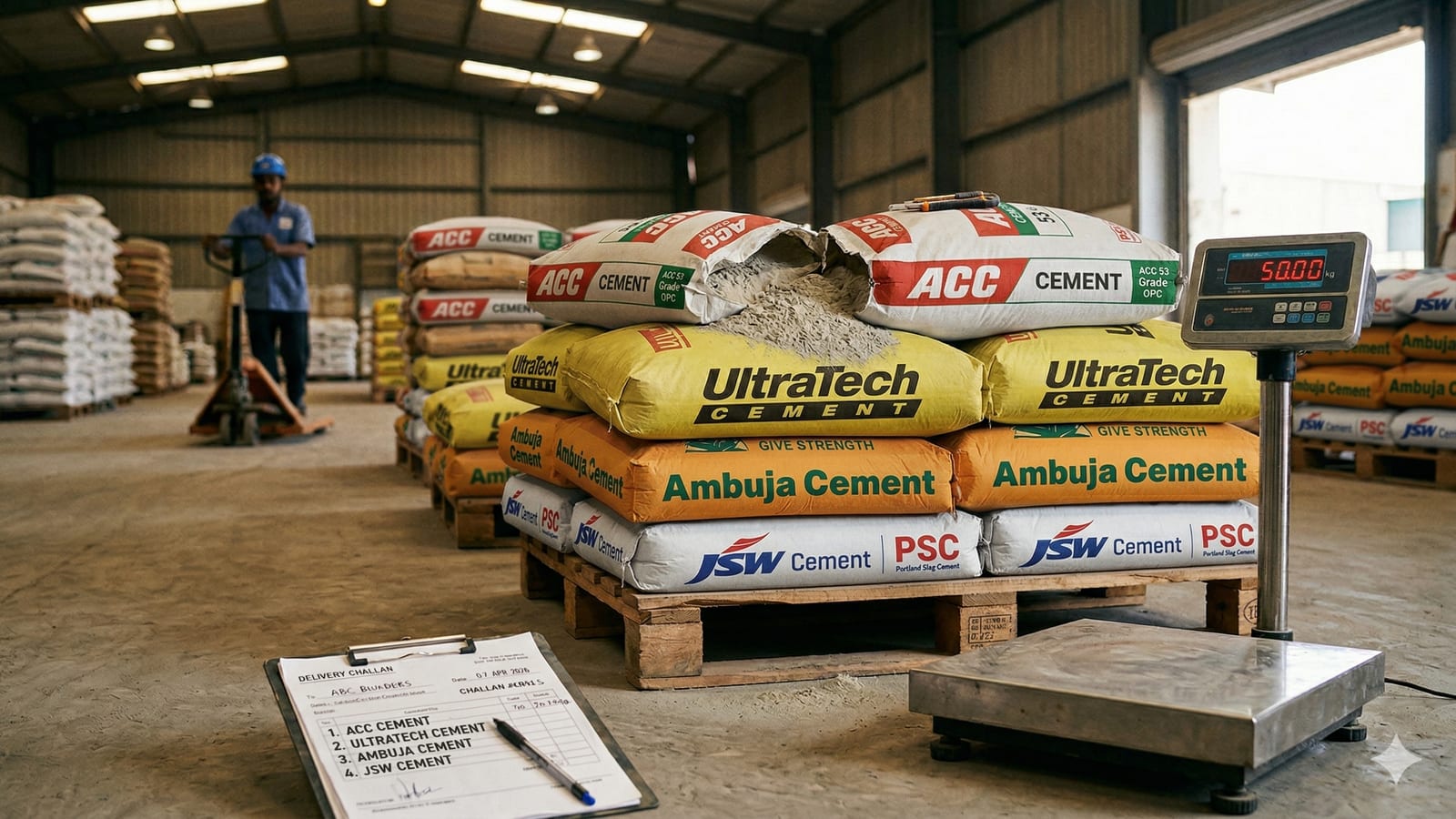
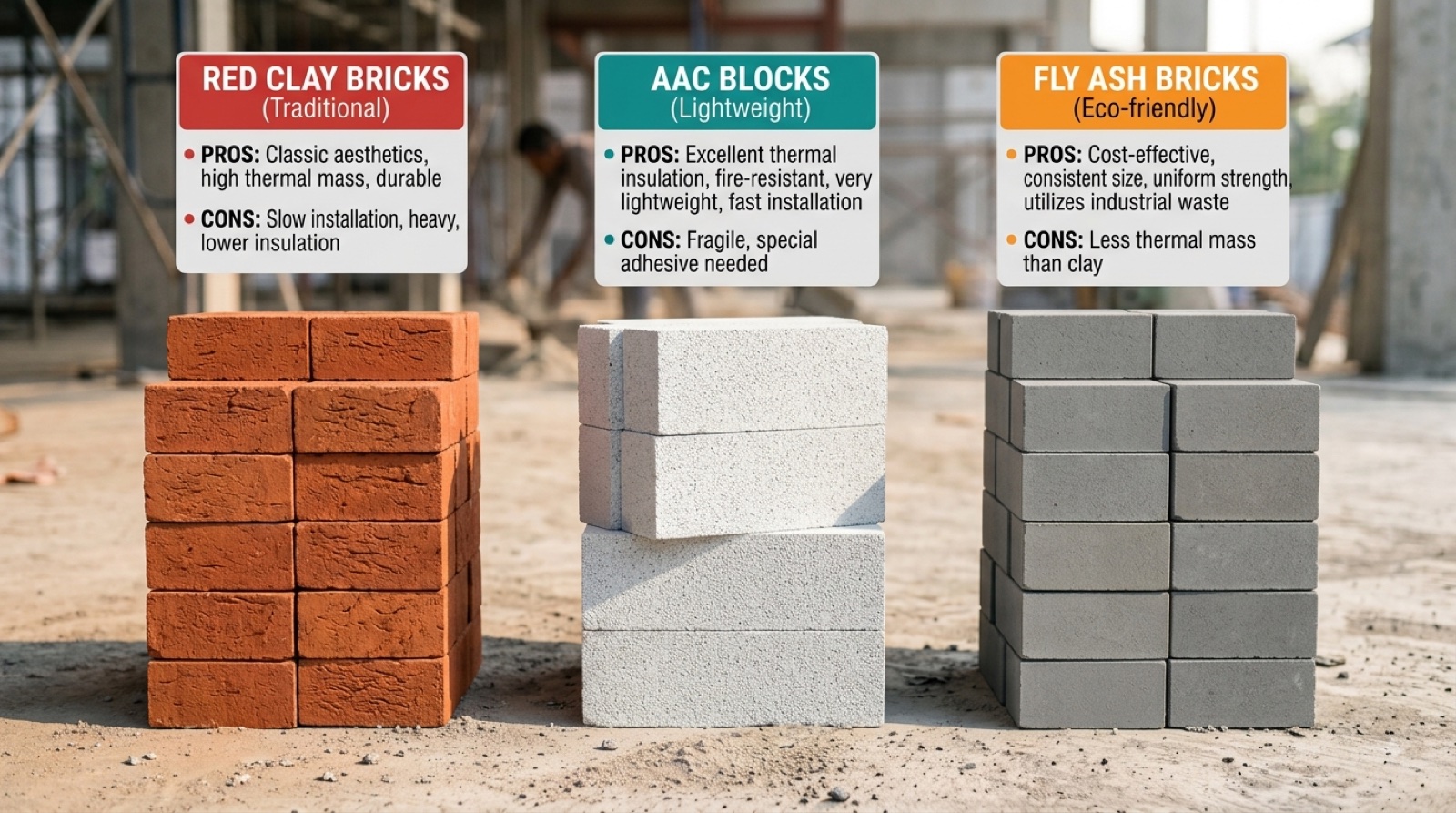
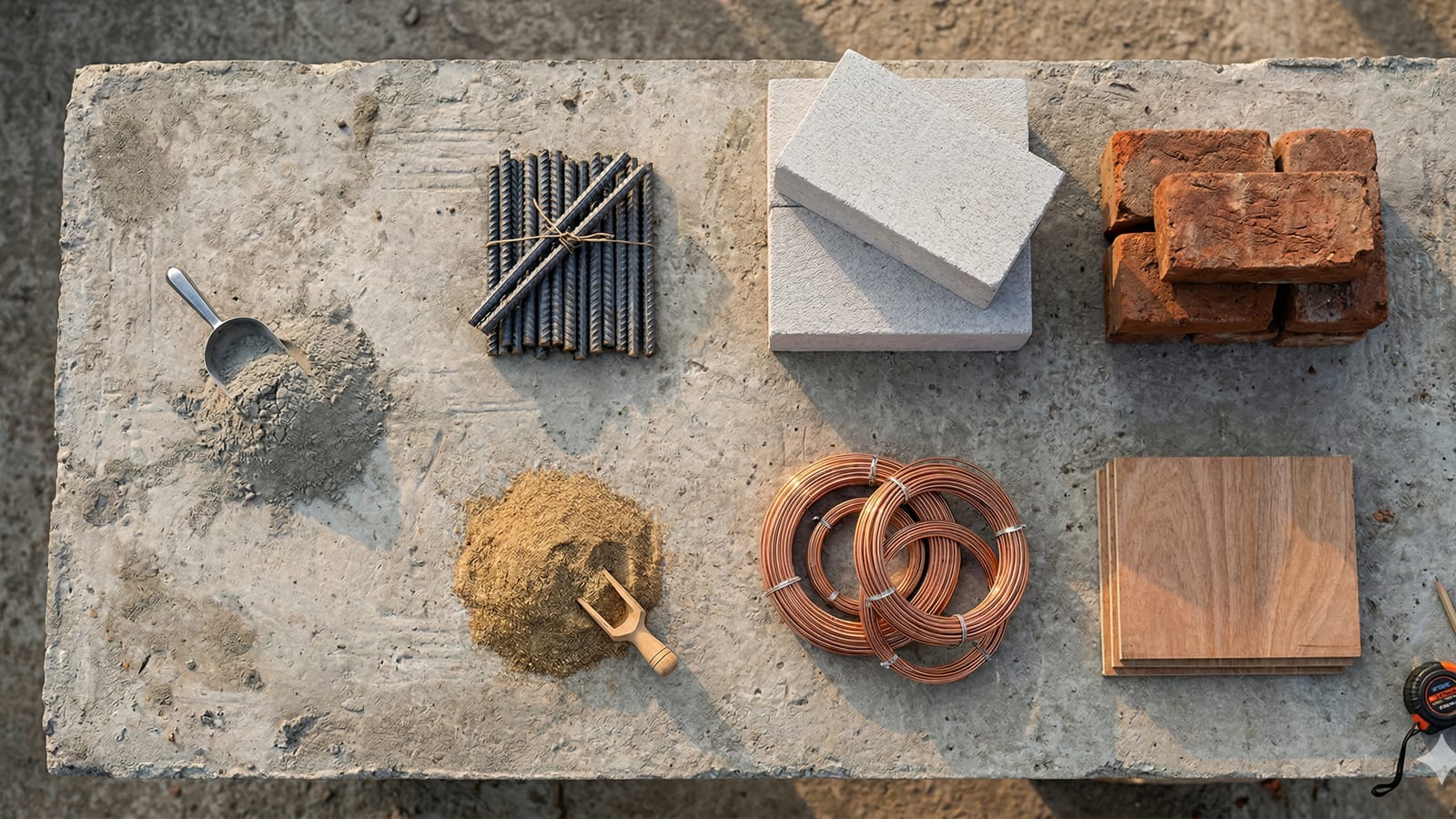
- Materials. Cement, steel, bricks or blocks, sand, aggregate, tiles, paint, doors, windows, wiring and pipes, everything physically built into the house.
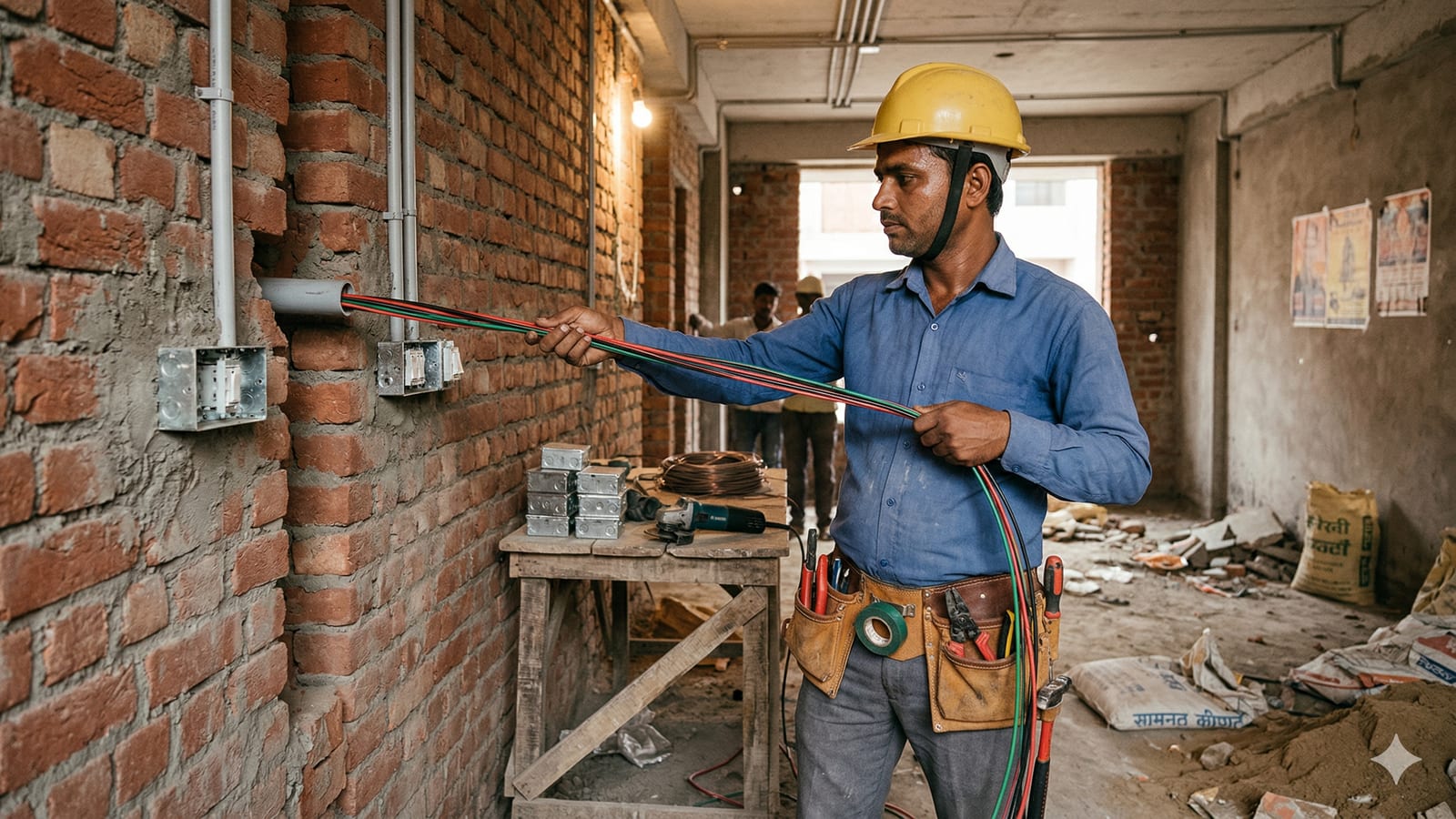
- Labour. Mason, carpenter, electrician, plumber and helper wages across every stage of the build, from foundation to final finishing.
- Fittings and finishes. Bought-out fixtures such as sanitaryware, CP fittings, modular kitchen units and wardrobes, often quoted and purchased separately from bulk construction materials.
- Design, approvals and miscellaneous costs. Architect or structural engineer fees, municipal approval and plan sanction costs, and site supervision.
Labour rates and design fees are largely set by the local market and do not vary much with how you shop, which is a big part of why this guide leans on the materials bucket. It is the one category where the same IS-graded product can reach your site at very different delivered costs depending on who you buy it from.
Typical Cost Split for a Residential Build
Every project is different, but industry practice for a typical residential build breaks down roughly like this:
| Cost category | Typical share of total cost |
|---|---|
| Materials | 55 to 60 percent |
| Labour | 25 to 30 percent |
| Fittings and finishes (fixtures, sanitaryware, modular units) | 10 to 15 percent |
| Design, approvals and miscellaneous | About 5 percent |
Materials being the largest single bucket, by a wide margin, is the main reason this guide focuses on where and how you buy them, rather than on labour rates, which are far less within a homeowner's direct control.
What Makes Up the Materials Share?
Within the materials bucket itself, cost is spread across several categories, each with its own price behaviour and its own opportunities to save.
| Material category | Typical share of the materials budget |
|---|---|
| Cement | 15 to 20 percent |
| Steel (TMT bars) | 15 to 20 percent |
| Bricks or blocks | 8 to 10 percent |
| Sand and aggregate | 10 to 12 percent |
| Finishing materials (tiles, paint, wood) | 20 to 25 percent |
| Electrical and plumbing materials | 10 to 15 percent |
Cement and steel together typically account for 30 to 40 percent of the entire materials budget, which is why even a modest saving on these two items, bought smartly, moves the needle on total cost more than trimming almost any other single line. Finishing materials, tiles, paint and woodwork, are actually the single largest materials category by value, since tile and wood choices carry a very wide price range depending on the specification level you pick.
What Drives Construction Cost Up or Down?
A handful of variables explain most of the difference between two similarly sized homes costing very different amounts to build.
- Built-up area. Larger homes benefit from some economies of scale on bulk material buying, but total cost still scales roughly with area.
- Number of floors. Additional floors mean additional foundation and structural strength requirements, which raises the materials and labour needed per square foot of the lower floors.
- Spec level. A basic specification (standard tiles, ordinary paint, basic fittings) versus a premium specification (imported tiles, branded sanitaryware, higher-end modular kitchens) can swing the finishing and fittings share dramatically, since this is the category with the widest price range of all.
- Soil and foundation conditions. Poor soil bearing capacity in some areas needs deeper or reinforced foundations, adding to both material quantity and labour.
- Distance from supply hubs. Sites further from major material stocking hubs typically see higher delivery and transport costs added to the base material price.
How Buying Materials Direct Can Cut Your Bill
Because materials are the largest single cost category, and because cement, steel and finishing materials alone make up well over half of that category, the biggest lever most homeowners can pull is how they buy, not just what they buy. Traditional retail supply chains route materials through a distributor and then a local dealer before they reach your site, and each layer adds its own margin on top of the manufacturer's price. Buying direct from manufacturers, the model a platform like Clyft is built around, can cut the materials portion of your build cost by roughly 30 to 40 percent, since it removes several of those intermediate margins while still delivering the same IS-graded cement, steel and other materials to your site.
Since materials are typically 55 to 60 percent of total project cost, a saving of that size on the materials line alone translates into a meaningful reduction in your overall construction cost, even though labour, design and approval costs stay the same. This is also why it is worth comparing brands and grades rather than buying the first quote a contractor hands you, since even within materials, the gap between the cheapest and most expensive credible option for the same grade can be significant.
A Practical Way to Plan Your Budget
Rather than looking for a single per-square-foot number online and assuming it applies to your project, use the cost-split percentages above as a framework: estimate your total budget first from a contractor's or architect's quote, then check that each category, materials, labour, fittings and design, falls roughly within the ranges shown. If your materials share is running well above 60 percent of the total, it is worth revisiting your sourcing before assuming your specification level is simply expensive. Browse all products on Clyft to compare current rates across cement, steel and other core materials before finalising your budget.